

By James Larson
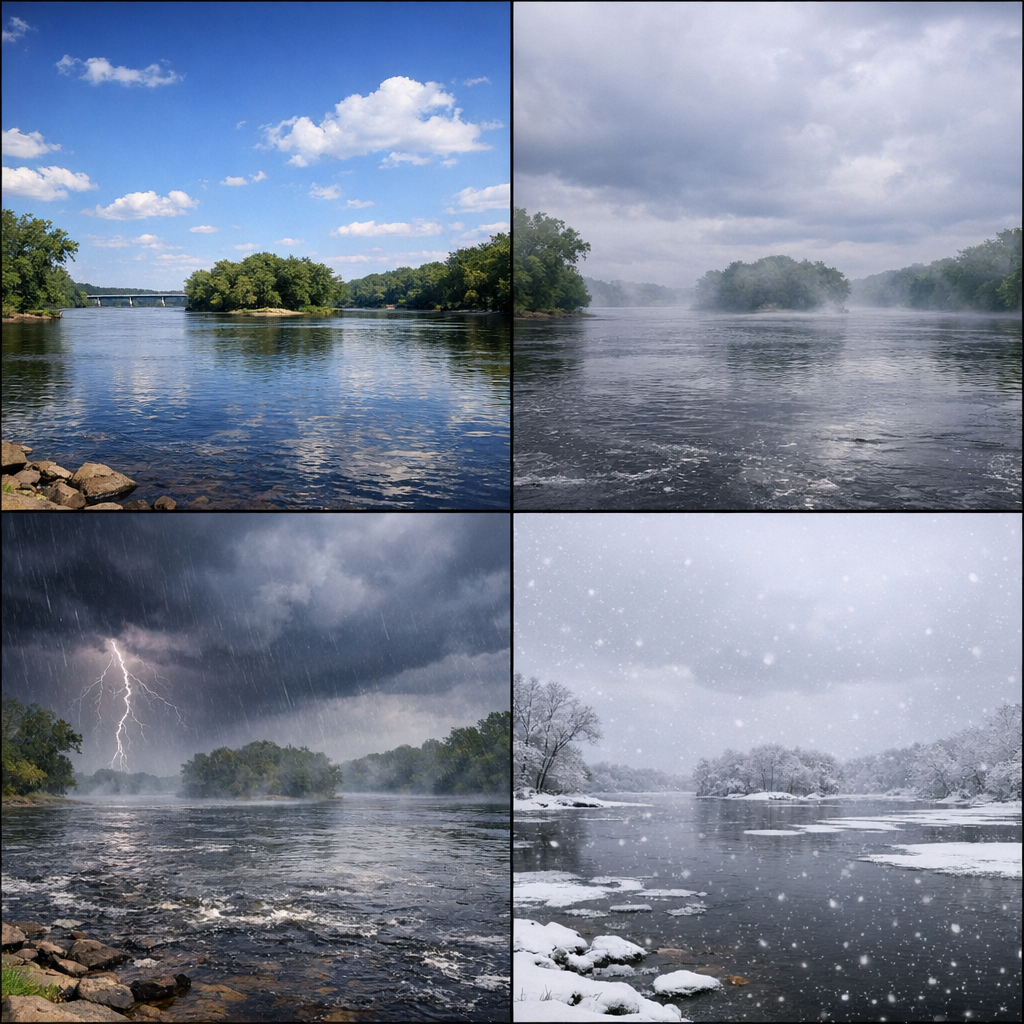
Monticello sits squarely in Minnesota’s Humid Continental climate zone, meaning warm, often wet summers and cold, snowy winters. But recent trends show that our local weather is shifting in meaningful ways—ones that affect gardening, outdoor recreation, infrastructure, and how we plan daily life.
What Monticello’s Climate Looks Like Today
- Annual precipitation averages just over 31 inches—rainfall peaks during late spring and early summer, especially in June, while winter months tend to be quite dry.
- Temperatures vary widely throughout the year. Summer highs often crest in the low 80s °F, while winter lows can drop near single digits (or below).
- The average growing season—time between last frost in spring and first frost in fall—runs from early May through early October, roughly 150–180 frost‐free days.
How Weather Patterns Are Changing
Minnesota as a whole has warmed around 3–4 °F since the late 19th century. Most of that warming has occurred during winter months and overnight lows.
In addition, more extreme precipitation events are becoming common. Rains that once occurred only in rare years now happen more often; while winters are getting warmer, we’re seeing shorter snow seasons with fewer very cold nights.
El Niño’s Role
This fall and winter, forecasters expect the arrival of a stronger El Niño pattern, which often leads to milder winters with lower snow totals in Minnesota. That said, El Niño does not guarantee such outcomes—it shifts probabilities, not certainties. Historic data show winters during past El Niño episodes have averaged milder conditions here.
What This Means for Monticello Residents
- Outdoor work & gardening: Earlier springs and later first frosts allow longer growing windows—but volatile spring weather, like sudden freezes or heavy rains, can damage early plantings.
- Winter readiness: With fewer deep‐freeze nights but more frequent thaw‐freeze cycles, road maintenance and home heating may need different prep than in past winters.
- Managing water: Increased rainfall intensity can strain drainage systems, enrich runoff into rivers and lakes, and challenge flood control.
- Local infrastructure: Buildings, roads, and bridges must be resilient to more frequent freeze‐thaw cycles and heavier, short bursts of rainfall.
How You Can Stay Informed and Prepared
Keep tabs on local weather alerts and forecasts, especially in early spring and late fall when conditions change rapidly. Long‐range forecasts tied to El Niño are particularly useful this year. Invest in local flood maps, upgrade insulation for your home to handle temperature swings more efficiently, and choose native or climate‐resilient plants for gardens.
Minnesota’s climate is changing—and so is Monticello’s. Understanding the shifts helps us stay ready, protect our local environment, and adapt in ways that keep our community resilient.