
As the nation grapples with economic challenges, many Americans are expressing concern over rising inflation and escalating energy costs. Recent data indicates a significant portion of the population feels frustrated with the current economic trajectory.
Public Sentiment Reflects Economic Strain
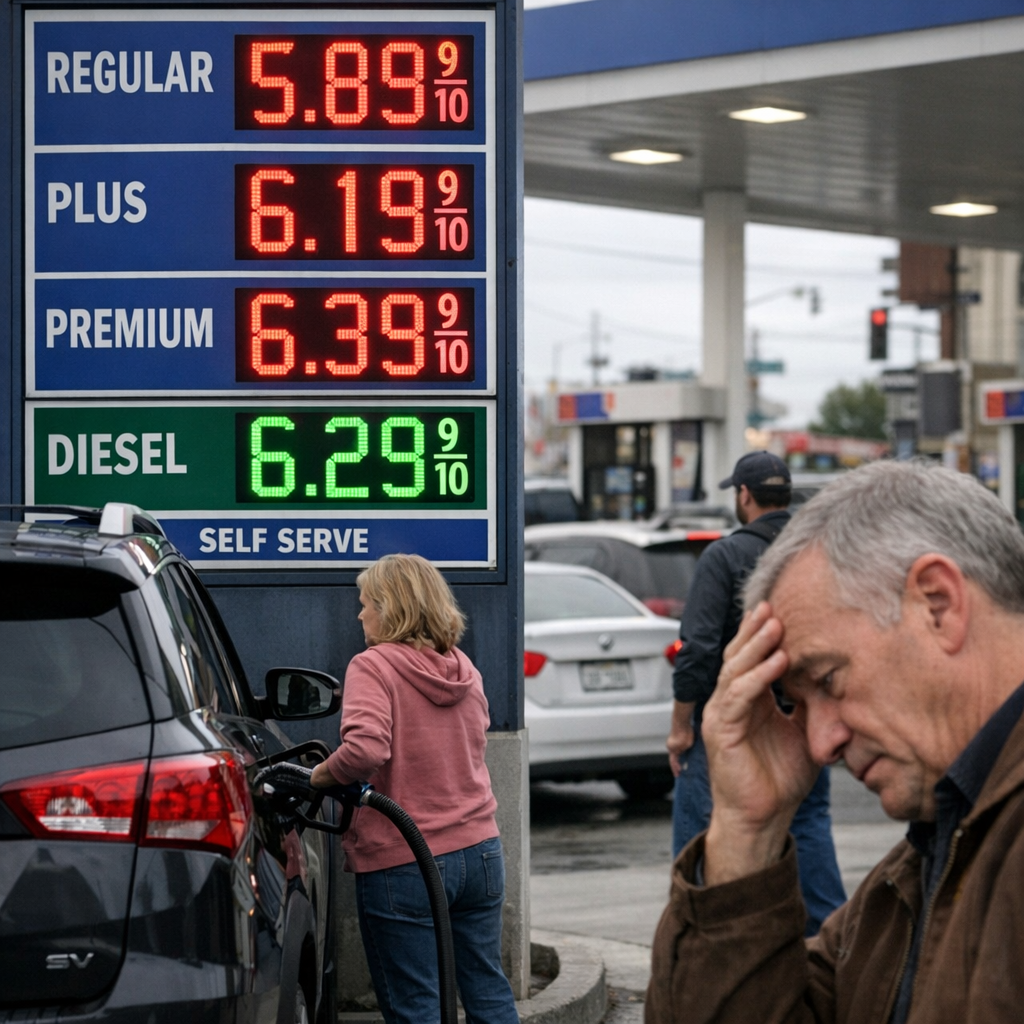
A recent CBS News/YouGov poll reveals that 70% of Americans feel “angry” or “frustrated” about the handling of the economy. This sentiment is largely attributed to the surge in energy prices following geopolitical tensions, notably the military conflict with Iran that began in February. The closure of the Strait of Hormuz has led to national average gas prices exceeding $4.50 per gallon, with some states experiencing prices above $5. Inflation has also risen to 3.8% in April, marking its highest point in three years.
Economic Indicators and Policy Responses
The International Monetary Fund (IMF) describes the U.S. economy as “buoyant,” projecting a 2.4% growth in gross domestic product for the fourth quarter of 2026. However, the IMF also warns of risks associated with rising federal budget debts and potential impacts from tariffs. The organization suggests that while the Federal Reserve could consider adjusting interest rates, it should proceed cautiously unless there is a significant downturn in the job market.
Local Implications and Community Resilience
In Monticello, Minnesota, residents are feeling the effects of these national economic trends. Local businesses are grappling with increased operational costs due to higher energy prices, and consumers are adjusting their spending habits in response to inflation. Community leaders emphasize the importance of supporting local enterprises and fostering economic resilience during these uncertain times.
As the nation navigates these economic challenges, staying informed and engaged with both national developments and local initiatives will be crucial for communities like Monticello to adapt and thrive.