

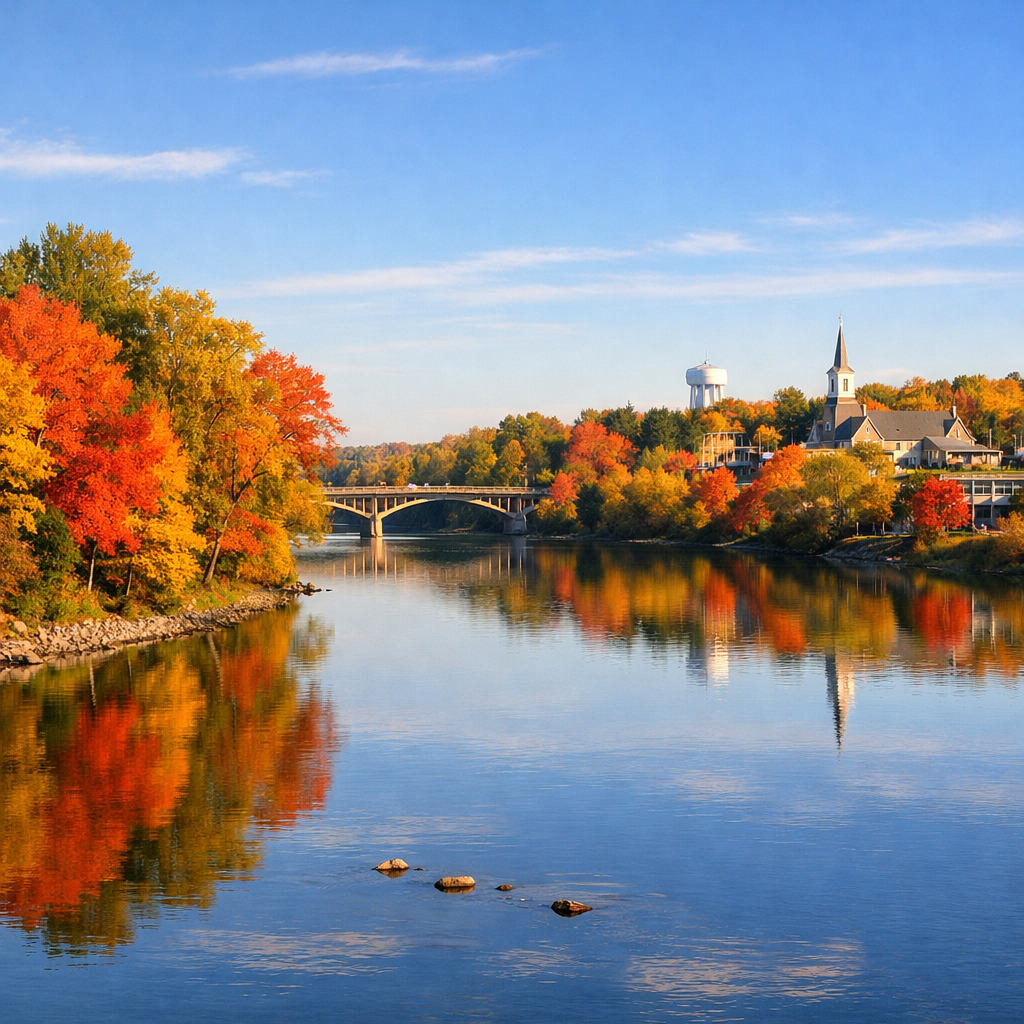
Monticello, Minnesota, experiences a diverse climate that significantly influences the local environment, particularly the Mississippi River. Understanding these patterns is essential for residents and environmental stewardship.
Climate Overview
Monticello’s climate is characterized by distinct seasons:
- Winter: Cold and snowy, with average low temperatures around 4.5°F (-15.3°C) in January and average highs of 22.1°F (-5.5°C). Precipitation is relatively low during this period.
- Spring: Gradual warming, with average highs reaching 54.9°F (12.7°C) in April. Precipitation increases, supporting the blooming of local flora.
- Summer: Warm and wet, with July averages of 81.9°F (27.7°C) for highs and 61.7°F (16.5°C) for lows. This season sees the highest rainfall, averaging 3.93 inches (99.82 mm) in July.
- Autumn: Cooling temperatures and decreasing precipitation, with October averages of 57.2°F (14°C) for highs and 37.6°F (3.1°C) for lows.
Impact on the Mississippi River
The Mississippi River, flowing through Monticello, is directly affected by these climatic variations:
- Spring Thaw: Melting snow increases river flow, which can lead to higher water levels and potential flooding. This period also carries nutrients and sediments into the river, impacting water quality.
- Summer Rainfall: Increased precipitation can lead to runoff carrying pollutants into the river. The City of Monticello has implemented a Stormwater Pollution Prevention Program to mitigate these effects.
- Winter Conditions: Cold temperatures can lead to ice formation, affecting aquatic life and river navigation. However, certain stretches near Monticello remain ice-free due to thermal effects from local facilities.
Environmental Considerations
Monitoring and managing the health of the Mississippi River is crucial. The Minnesota Pollution Control Agency conducts regular assessments to ensure the river’s vitality, reflecting the overall health of the surrounding environment.
Residents can contribute by staying informed about local climate patterns and participating in community efforts to protect this vital resource.